
· Naomi Carter
How to Store a Matcha Whisk (and Why the Tube Has to Go)
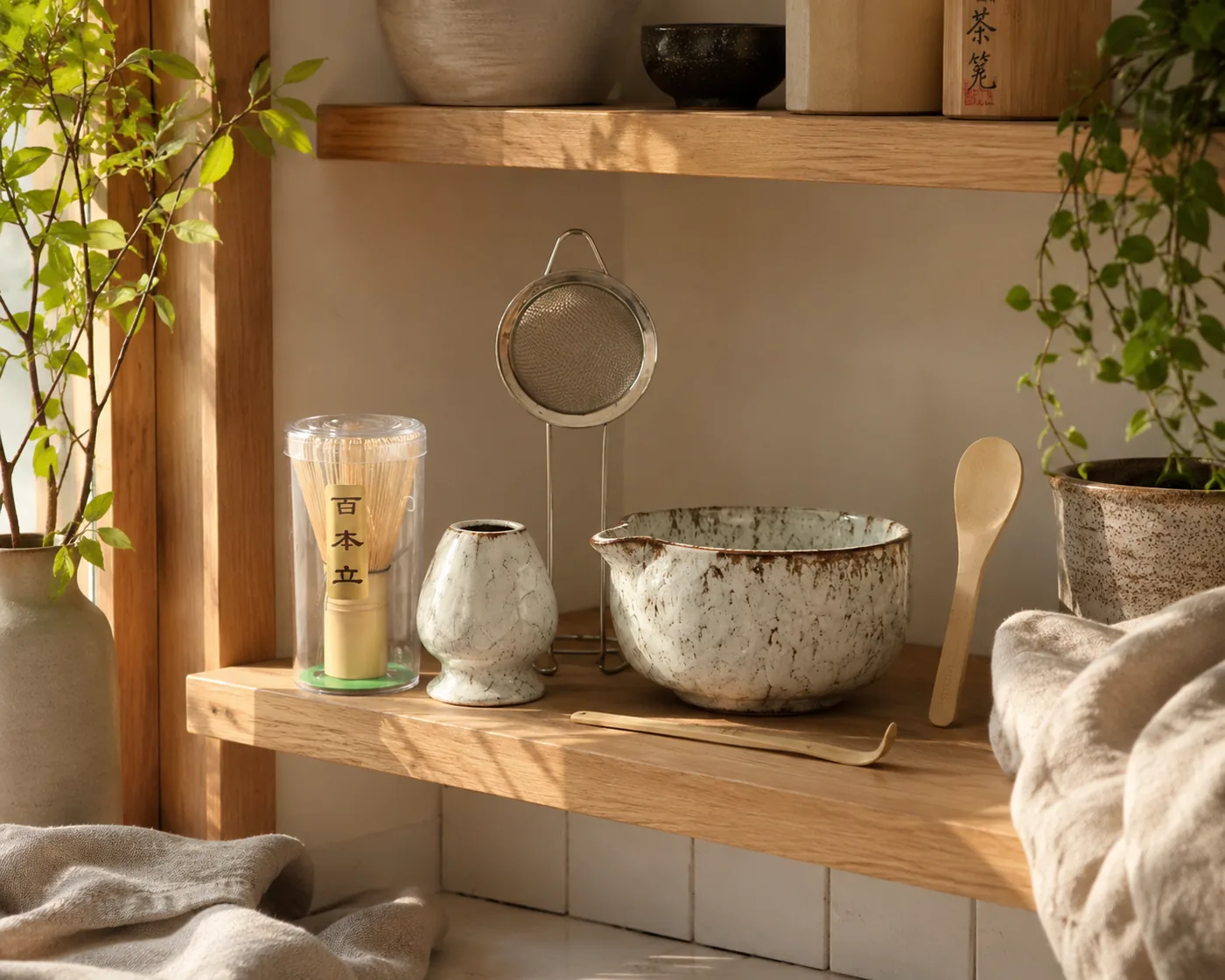
Matcha whisk care comes down to one decision you make once: where the whisk lives between bowls. Cleaning technique matters, whisking technique matters, but both are habits you repeat. Storage is a piece of real estate you assign a single time, and it quietly determines whether your chasen lasts weeks or seasons. This is the guide to getting that decision right, and it is short, because the right answer is simple.
The shipping tube is packaging, not furniture
Nearly every bamboo whisk arrives in a clear plastic cylinder, and nearly every beginner keeps using that cylinder as a home. It feels protective. It is the opposite. A chasen goes back in the tube slightly damp no matter how well you shake it out, and the sealed plastic holds that moisture against the bamboo for hours. Damp bamboo in still air is exactly how you get the musty smell that ends up in your tea, and in humid kitchens it can go further than a smell.
The tube also fights the whisk's shape. A good chasen blooms: the outer tines curl gently outward, which is what lets it whip air into the liquid. The tube presses that bloom back into a tight cone. Store it there every day and the bamboo takes the hint, holding the closed shape permanently. A whisk with collapsed tines can still stir, but it stops producing real foam, which is the whole job. If yours has already closed up, it is usually recoverable: our guide on how to reshape a matcha whisk walks through it. Keep the tube for travel, and only ever put a bone-dry whisk inside it.
What a chasen holder actually does
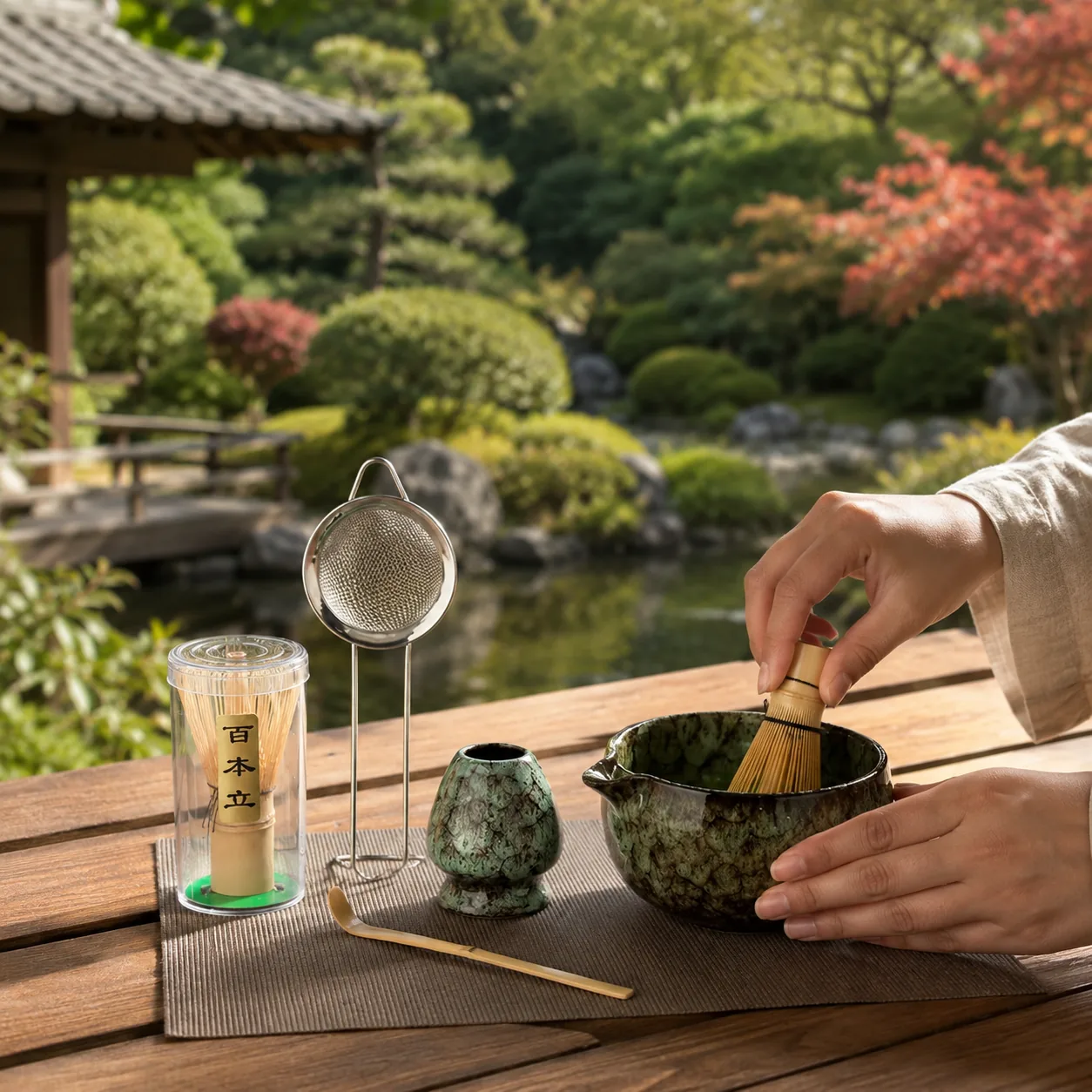
A chasen holder (kuse naoshi, sometimes called a whisk keeper) is a small ceramic cone with a rounded top. You rest the whisk on it tines-down after rinsing. From that one gesture you get all three things bamboo needs, at once:
- Drainage. Water runs down and off the tines instead of pooling at the base where the tines meet the handle, the exact spot where mildew starts.
- Airflow. The whisk dries in open air on all sides, not sealed in plastic or pressed against a drawer floor.
- Shape training. The rounded cone supports the tines in their ideal open bloom, so the whisk dries into the exact form that whisks best. The holder is designed around extending whisk life, keeping the whisk dry, and holding tine shape for better foam.
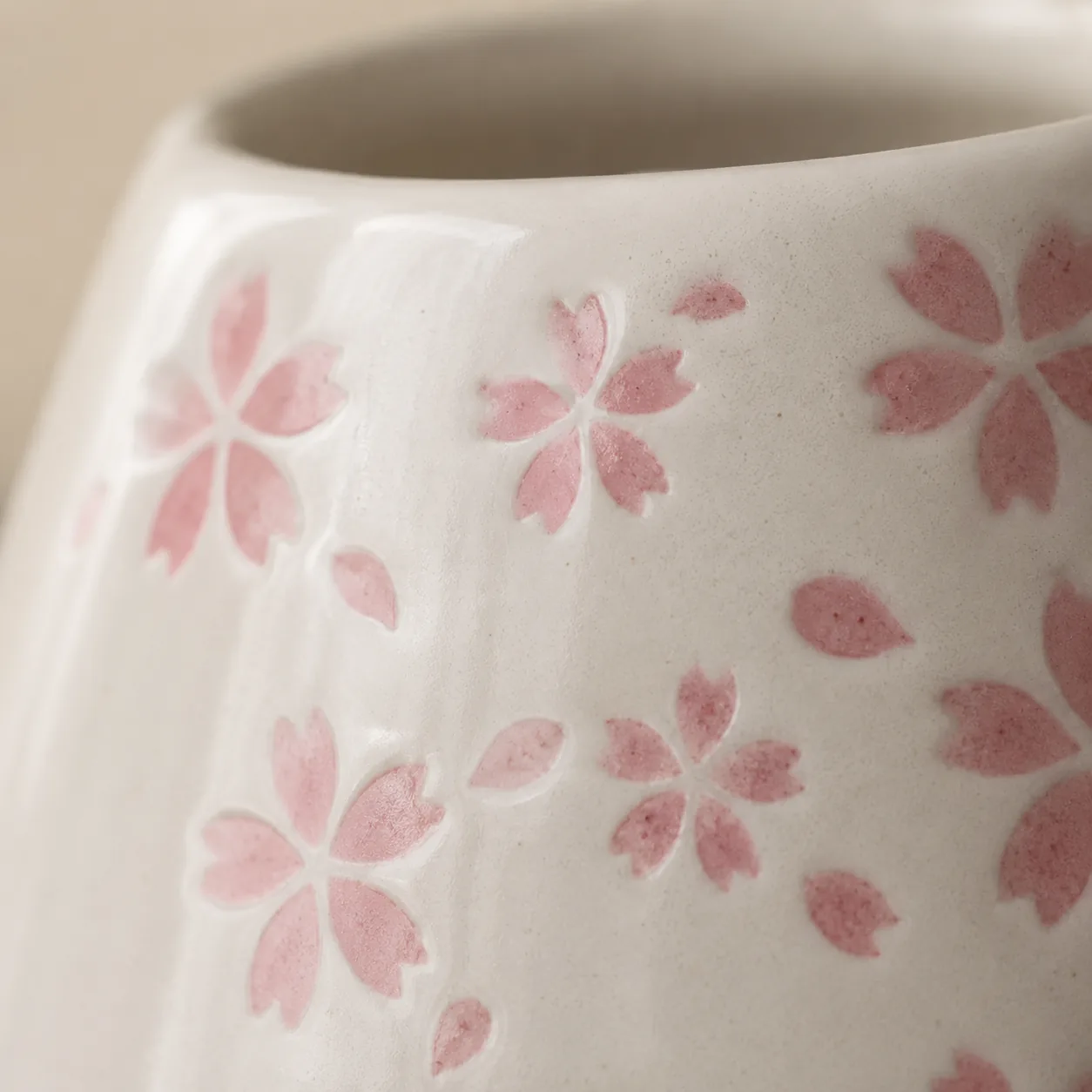
Our glazed ceramic whisk holder is exactly this object, no more and no less: 7 cm tall, 6 cm wide, fired with a glaze that wipes clean, in 10 colors so it can sit out on the counter and look like it belongs there. Because that is the other thing a holder does: it keeps the whisk visible. Gear that lives on the counter gets used; gear that lives in a drawer gets forgotten.
Storage methods compared
| Storage spot | Moisture | Tine shape | Verdict |
|---|---|---|---|
| Plastic shipping tube | Traps it against the bamboo | Forces tines closed over time | Travel only, and only bone-dry |
| Kitchen drawer, lying flat | Poor airflow, dries slowly | Flattens tines on one side | Avoid |
| Handle-down in a cup | Water pools at the tine base | Tines sag under their own weight | Avoid |
| Tines-down on a ceramic holder | Drains and air-dries fully | Holds the open bloom | Best daily home |
The rest of the care routine
Storage does the heavy lifting, but three habits round out proper matcha whisk care. First, rinse with warm water only, immediately after use; the full sequence is in the whisk cleaning guide, and the short version is: no soap, ever. Second, keep the holder spot away from direct sunlight, radiators, and stovetops, because heat-dried bamboo turns brittle and starts shedding tines into your foam. Third, give a new whisk (or a long-idle one) a brief warm-water soak of the tines before whisking, so the bamboo flexes instead of snapping.
Do those three things and park the whisk on a holder, and a chasen becomes a slow-wearing tool instead of a consumable. When it does eventually tire, you will notice it in the cup first: thinner foam from the same effort. That is the signal to retire it to backup duty, not a failure of care.
The numbers
verified orders for our ceramic whisk holder, rated 5.0/5 across verified buyer reviews
— KujiMatcha order data, 2026
the holder's full footprint (2.8 × 2.4 in), small enough to live permanently on a counter next to the kettle
— KujiMatcha product spec sheet, 2026
projected global matcha market in 2026, growing to a forecast $8.9B by 2033, a wave of new daily drinkers whose whisks all need somewhere to dry
— Grand View Research, 2026
Set up your whisk's home
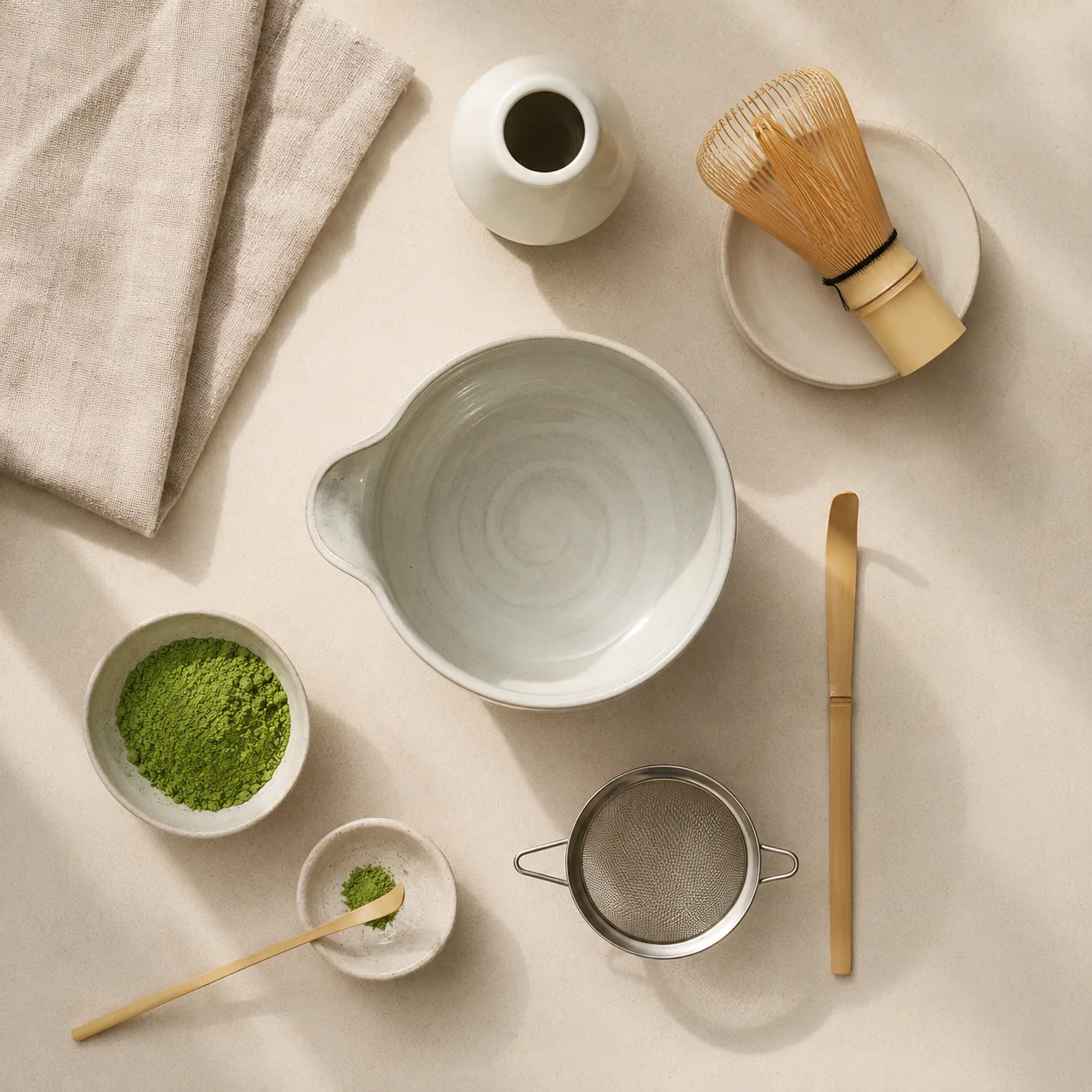
If you own one matcha accessory beyond the whisk itself, make it the holder; it is the piece that protects the piece you cannot skip. Wondering whether the holder has to be ceramic at all, or whether a bamboo or plastic one would do the same job? That comparison has its own guide: ceramic, bamboo, or plastic whisk holder. Our chasen holder page covers the 10 colors and the glaze in detail, real buyer photos are on the reviews page, and if you are building a kit from scratch, the complete 6-piece set includes a matching holder alongside the bowl, whisk, sieve, spoon, and chashaku. Buying for someone else? Start with the matcha gift set guide.

Naomi Carter · Matcha tools editor, KujiMatcha
Naomi writes KujiMatcha's guides to matcha tools and whisk care: choosing, using, cleaning, reshaping and storing a bamboo chasen.
You'll pick your color at the secure checkout step.